

Consumer guide
Bleaching timber floors: what homeowners need to know before you start
The light, bleached timber look is popular right now. Here’s what bleaching actually does to a floor, why the result depends on your timber, and how to get it right the first time.
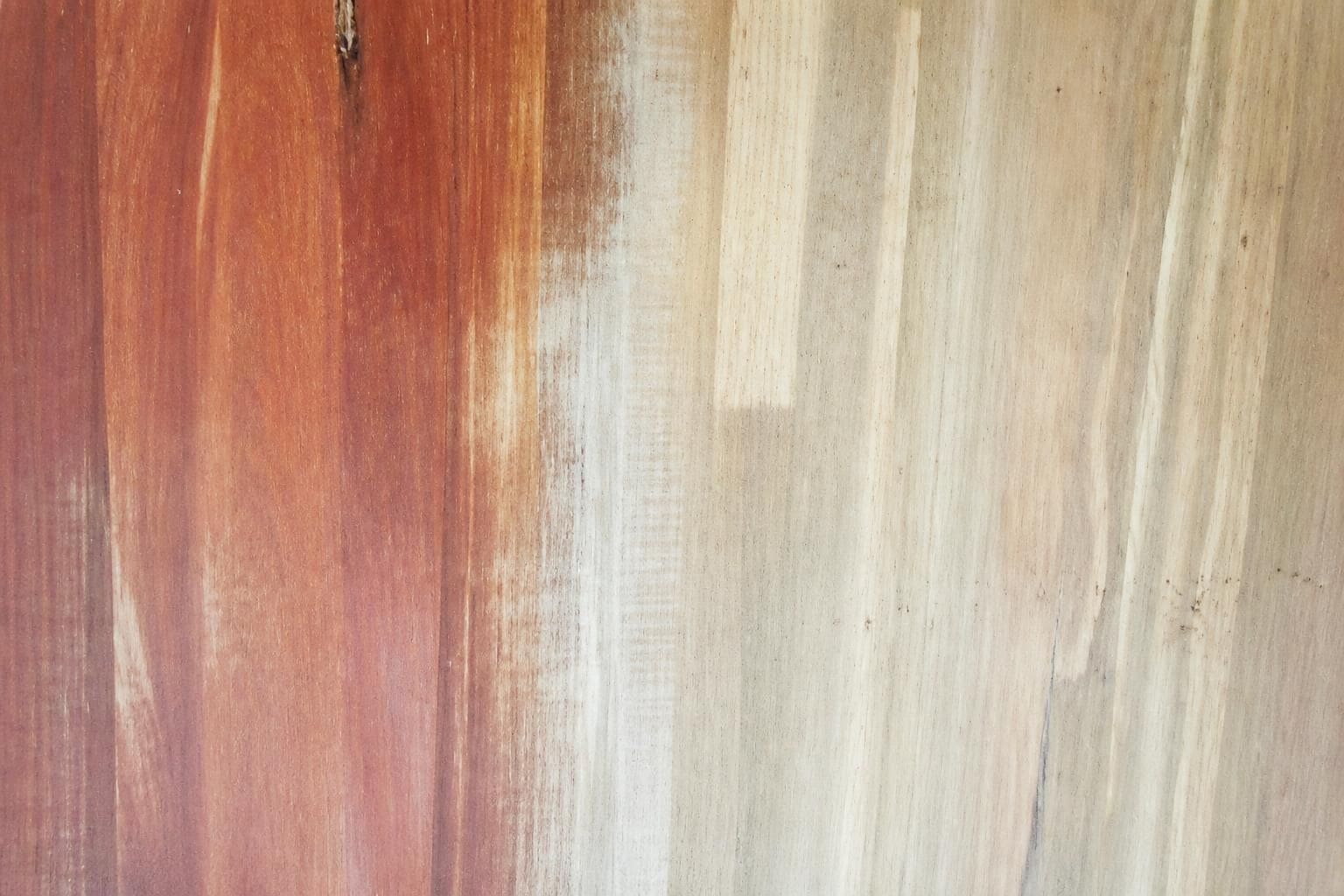
If you’ve been looking at lighter, Scandinavian-style timber floors and wondering how to get that look on your own floor, bleaching is one way to do it. It’s worth understanding what the process actually involves before you ask a professional to quote on it.
Bleaching is not a stain, a paint effect or a coating. It’s a chemical process that lightens the timber itself. Done well, it can transform a floor. Done on the wrong timber, or without the right follow-up coating, it can be disappointing and expensive to fix.
Why homeowners consider bleaching
Most requests for floor bleaching come from a similar place. The homeowner is unhappy with a floor that has gone dark, uneven or heavily varied with age, or they’ve inherited a floor with a new home that doesn’t suit their taste. Bleaching offers a way to reset the colour without ripping up and replacing perfectly sound timber.
What actually happens during bleaching
The floor is sanded back to bare timber first, and thoroughly cleaned of dust, exactly as it would be before any other coating job. From there, a professional applies a two-step chemical treatment.
The first application is left to dry for a few hours. The second step is the one that does the real work of lightening the colour, and it’s a strong chemical, typically hydrogen peroxide-based. It’s strong enough to burn skin on contact, which is why professionals treat it with the same care as any hazardous chemical: gloves, safety glasses and proper ventilation.
Once the colour has lightened, the floor is washed back to remove chemical residue before any final coating goes on. Skipping this step is one of the most common causes of a bleaching job going wrong.
This is why floor bleaching sits firmly in professional-job territory rather than DIY weekend project territory. The chemicals involved, the timing between steps and the risk of an uneven result on an expensive floor all argue for getting a specialist involved.
Why results vary so much from floor to floor
Different timber species react differently to the same bleaching treatment, so a result that looks beautiful on one floor can look patchy or uneven on another. The coating applied afterwards matters just as much as the bleaching step itself. Industry practitioners report that water-based coatings and penetrating oils tend to hold a bleached colour well, while solvent-based polyurethane can go patchy or yellow over time, which can undo the effect entirely.
Because of this, a sample panel done on your own floor is the only reliable way to know what your finished result will actually look like. A photo of someone else’s floor, in someone else’s timber, tells you very little about your own.
Chasing the whitewashed or Scandi look
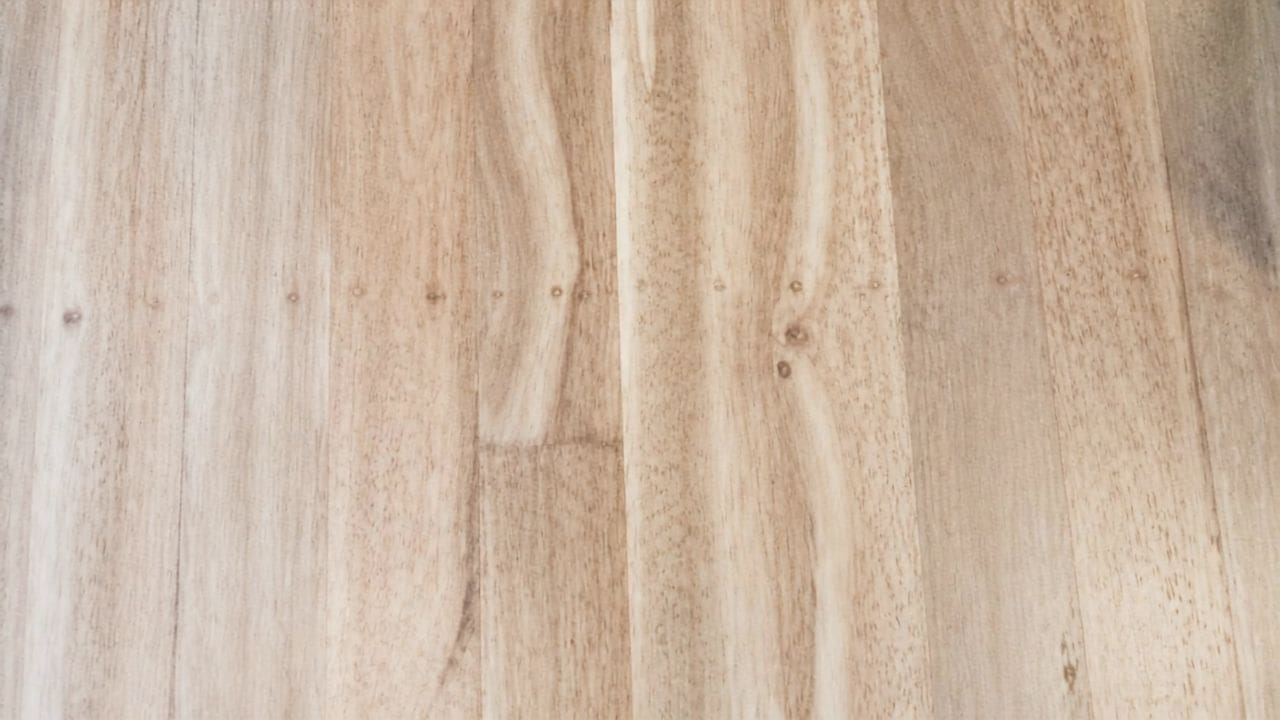
If you’ve searched for “whitewashed floors” or “limewashed floors”, this look is usually achieved through bleaching combined with a lightly tinted water-based coating, rather than a paint-like whitewash sitting on top of the timber. One documented example is a bleached Jarrah floor finished with a water-based coating carrying a hint of lime tint. The effect and the technique behind it vary by timber, which is another reason a sample on your own floor matters more than a photo online.
Get advice before you commit
This article gives general guidance. Every floor and every timber species is different, so the right approach for your home needs an on-site look from someone who works with timber floors every day. An ATFA member can assess your floor and tell you honestly whether bleaching will give you the result you’re after.
Is it worth it?
Bleaching costs more than a straightforward re-coat and adds real time to a flooring project. It’s extra work, and it should be quoted as such. The upside is that the timber underneath doesn’t change. If styles move on, or a future owner wants a different look, a bleached floor can generally be sanded back and refinished again, just like any other timber floor.
What to ask before you book the job
- Can I see a sample of this done on my actual floor, not a photo of a different job?
- Which coating do you recommend afterwards, and why that one for my timber?
- What does preparing the room involve, including ventilation and time away from the floor?
- What happens if the colour doesn’t come out even across the room?
Talk to an ATFA member about your floor
This article gives general guidance, but for your specific situation, speak to an ATFA member. They can assess your timber, talk you through realistic outcomes and quote the job properly.
Adapted for homeowners from “Bleaching”, a technical article by Brett Scarpella, Loba Australasia, originally published in ATFA Timber Floors magazine, Issue 39, 2018. Technical detail has been simplified for a general audience; always get a written quote and a sample panel from a qualified professional before proceeding.